Community Waste Management in Indonesian Villages: A Practical Guide
A step-by-step guide for village governments, BUMDes and community groups in Indonesia on starting waste sorting, waste banks (bank sampah), composting and TPS3R facilities.
Indonesia produces tens of millions of tonnes of household waste every year, and much of it never reaches a proper processing site. In rural areas especially, open burning and dumping are still common. The good news is that villages can make a real difference with simple, well-organised systems run by the community itself.
Start with the law: waste is everyone's responsibility
Indonesia's Law No. 18 of 2008 on Waste Management (UU No. 18 Tahun 2008 tentang Pengelolaan Sampah) shifted the approach from 'collect and dump' towards reducing and handling waste at the source. That makes households, communities and village governments important actors — not just the regency's sanitation office.
Step 1: Separate waste at home
Everything starts with sorting. Ask households to keep at least two containers: one for organic waste (food scraps, leaves) and one for inorganic waste (plastic, paper, metal, glass). Organic waste is usually the largest single category of household rubbish, so separating it out shrinks the problem dramatically.
Step 2: Set up a waste bank (bank sampah)
A waste bank lets residents 'deposit' clean, sorted recyclables and receive a recorded value in return, much like a savings account. Waste banks are often run by women's groups (PKK), youth groups (Karang Taruna) or the BUMDes. They turn rubbish into a small income stream and build daily habits of sorting.
- Agree on a regular collection day and a simple price list for each material.
- Keep clear records for every depositor.
- Build a relationship with recyclers or collectors who will buy the sorted materials.
Step 3: Compost organic waste
Organic waste can be turned into compost for gardens and farms. Options range from household composting baskets to larger communal compost bins. Compost reduces the need for chemical fertiliser and links waste management directly to sustainable agriculture.
Step 4: Build or join a TPS3R facility
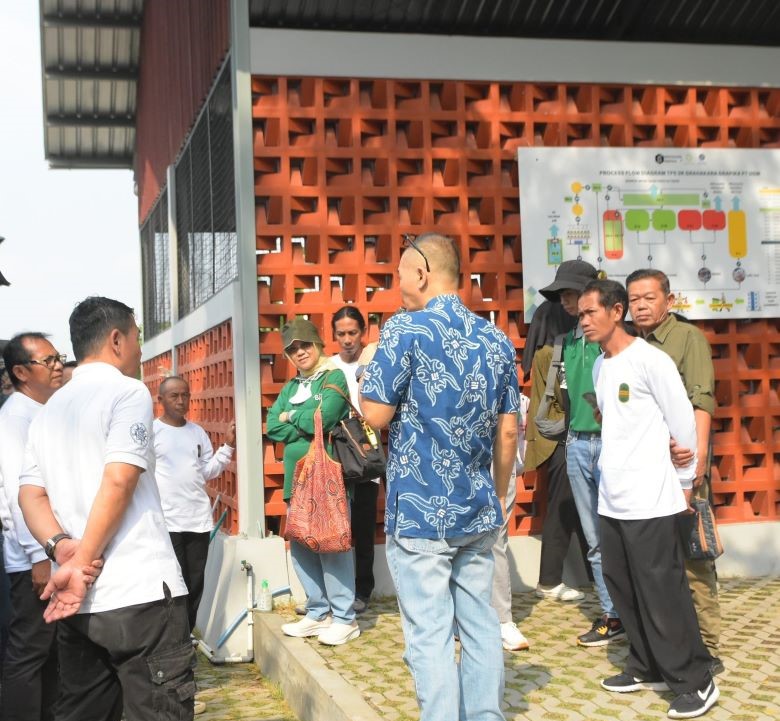
A TPS3R (Tempat Pengolahan Sampah Reduce-Reuse-Recycle) or integrated processing facility gives the village a central place to sort, compost and store recyclables. The Desa Sajen facility in Mojokerto is one example of what this can look like when a village works with a CSR partner.
Step 5: Train people and plan for the long term
The most common reason village waste programmes fail is not a lack of equipment but a lack of trained operators and a sustainable business plan. Budget for training, assign clear roles, and decide early on how the service will be financed — for example through household fees, sale of recyclables and compost, and village funds.
How we can help
Yayasan Bestari Inovasi Indonesia supports villages in East Java with planning, training and partnership-building for community waste management. Contact us to discuss your village's needs.